She also spent much of that time inspiring the next generation at Plymouth College of Art & Design, a proper maker and mentor through and through.
In 1998 she swapped the coast for our lovely hills and made Hebden Bridge her creative home, returning to what she loves most: designing and crafting beautiful jewellery.
Amanda’s a big traveller, especially to India, a place woven into her family history and the source of many of the unique gemstones she brings back. When she’s not at the bench or off exploring, you’ll likely find her roaming our countryside, strumming her ukulele, painting, dancing, digging at her allotment or tucked up with a good book.
She’s also a big fan of galleries, exhibitions and a trip to the cinema, and we all know how lucky we are to have the brilliant Hebden Bridge Picture House just down the road.
All of Amanda’s pieces we sell are hallmarked by the Birmingham Assay Office
A hallmark is an official mark stamped on items made of precious metals (such as gold, silver, platinum, or palladium) to certify their purity and authenticity. It protects consumers by guaranteeing
the metal content.
A full UK hallmark typically contains three parts:
The Sponsor’s Mark - Identifies the manufacturer, retailer, or maker who is responsible for submitting the item for testing.
The Fineness Mark - Shows the purity of the metal (e.g. 925 for sterling silver, 750 for 18ct gold).
The Assay Office Mark - Indicates which of the UK’s assay offices tested and hallmarked the item. The UK has several, including London, Birmingham, Sheffield, and Edinburgh.
Optional marks may also appear, such as a date letter (indicating the year it was hallmarked) or a traditional fineness symbol.
-
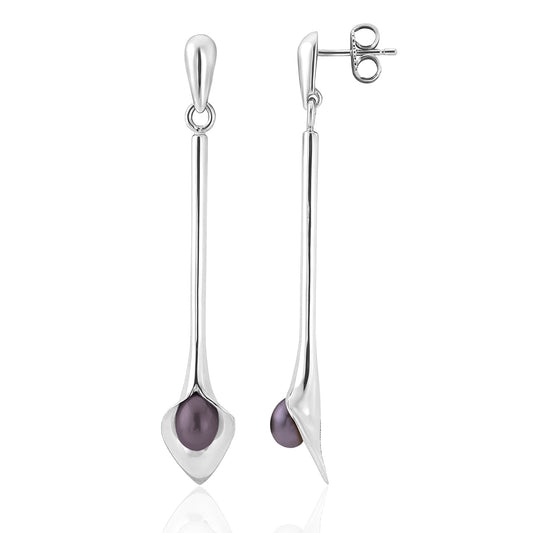
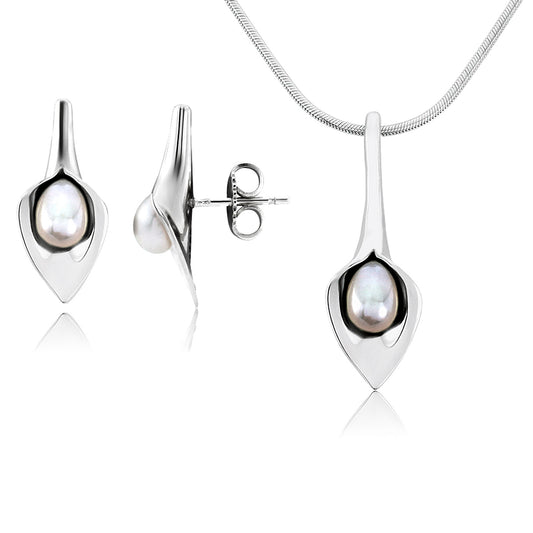
Amanda Cox - Silver and Cultured Freshwater Pearl earrings - long drop
Regular price From £132.00Regular priceUnit price per -
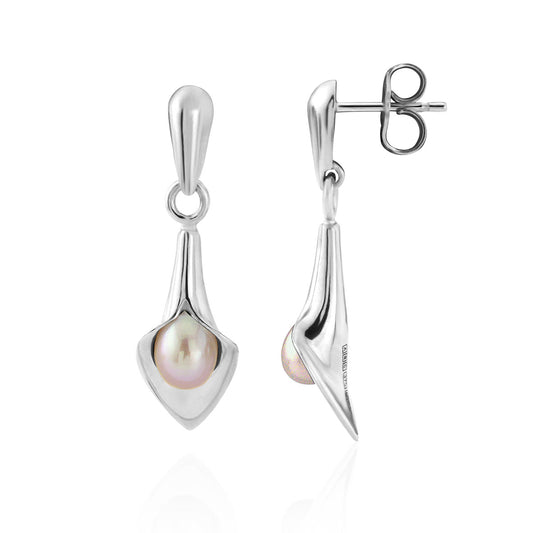
Amanda Cox - Silver and Cultured Freshwater Pearl earrings - short drop
Regular price From £103.00Regular priceUnit price per -
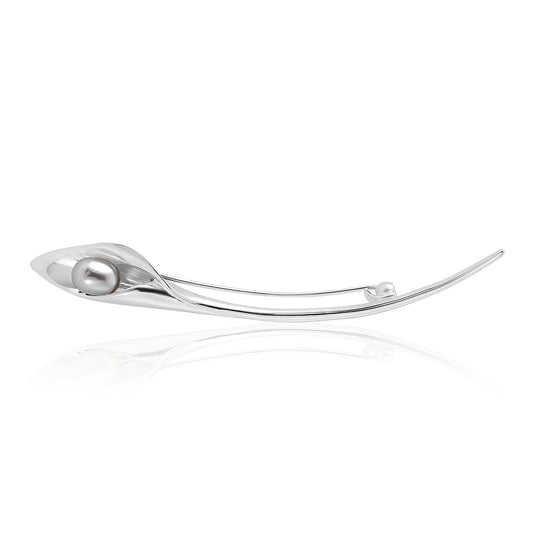
Amanda Cox - Silver and Cultured Freshwater Pearl Brooch
Regular price £147.00Regular priceUnit price per -
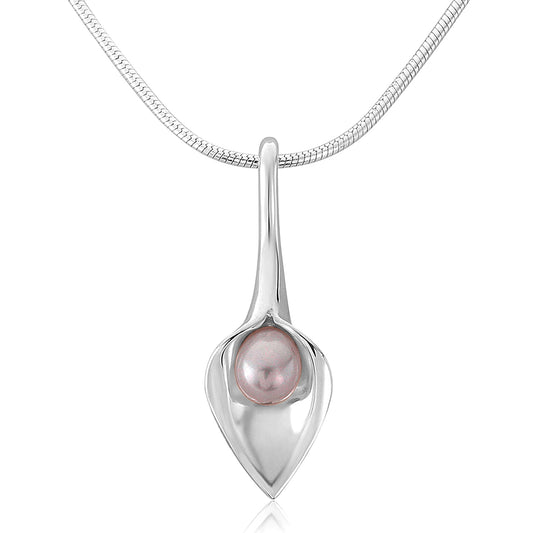
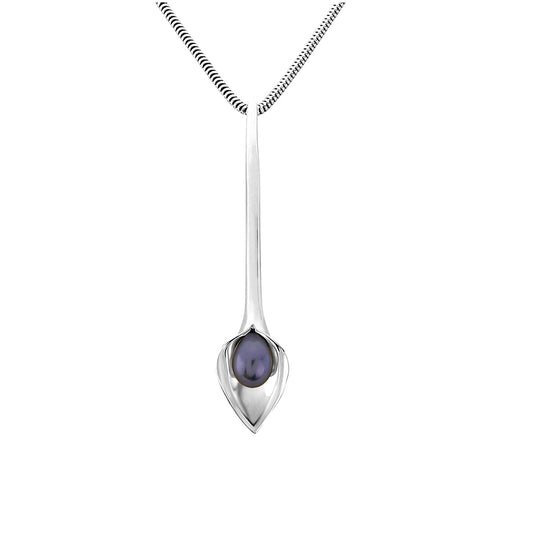
Amanda Cox - Silver and Cultured Freshwater Pearl pendant - short drop
Regular price From £79.00Regular priceUnit price per -
Amanda Cox - Silver and Cultured Freshwater Pearl pendant - long drop
Regular price From £110.00Regular priceUnit price per -
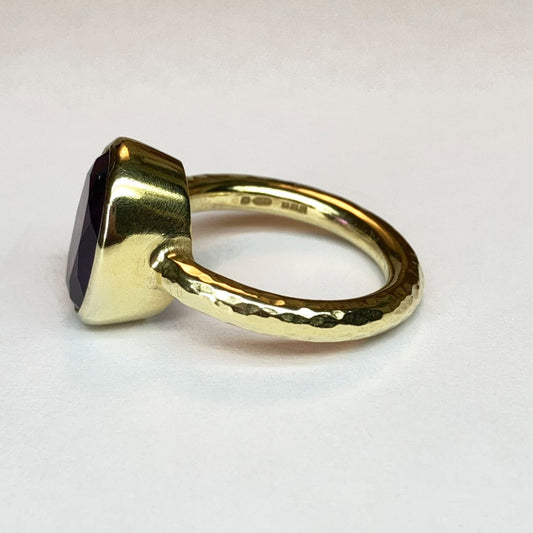
Amanda Cox - 18ct gold vermeil silver Amethyst ring
Regular price £295.00Regular priceUnit price per -
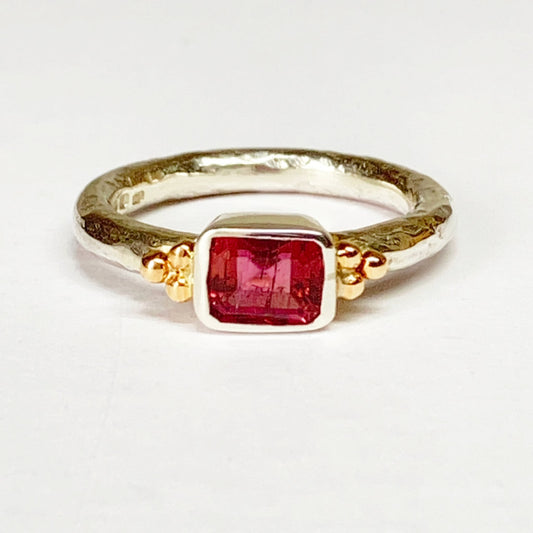
Amanda Cox - Silver, 9ct gold and pink tourmaline ring
Regular price £280.00Regular priceUnit price per -
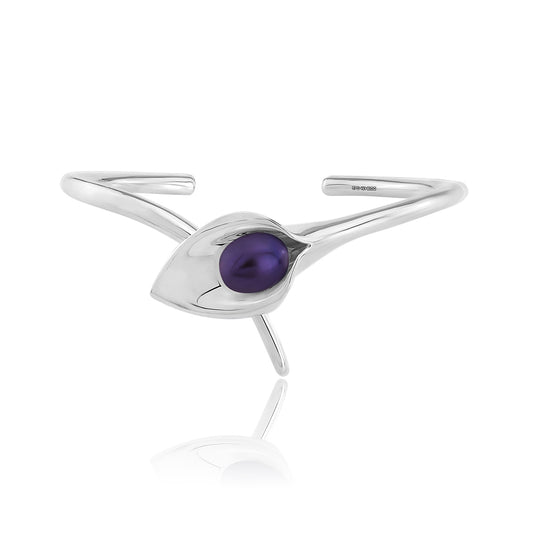
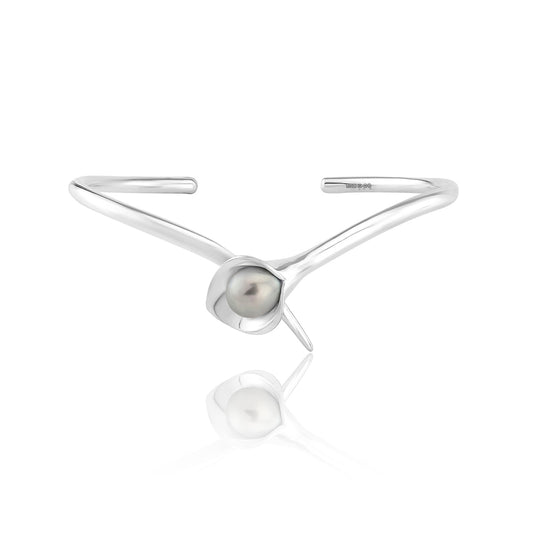
Amanda Cox - Silver and Cultured Freshwater Pearl Bangle Large
Regular price £260.00Regular priceUnit price per -
Amanda Cox - Silver and Cultured Freshwater Pearl Bangle
Regular price £209.00Regular priceUnit price per -
Amanda Cox - Silver and Cultured Freshwater Pearl studs
Regular price From £88.00Regular priceUnit price per